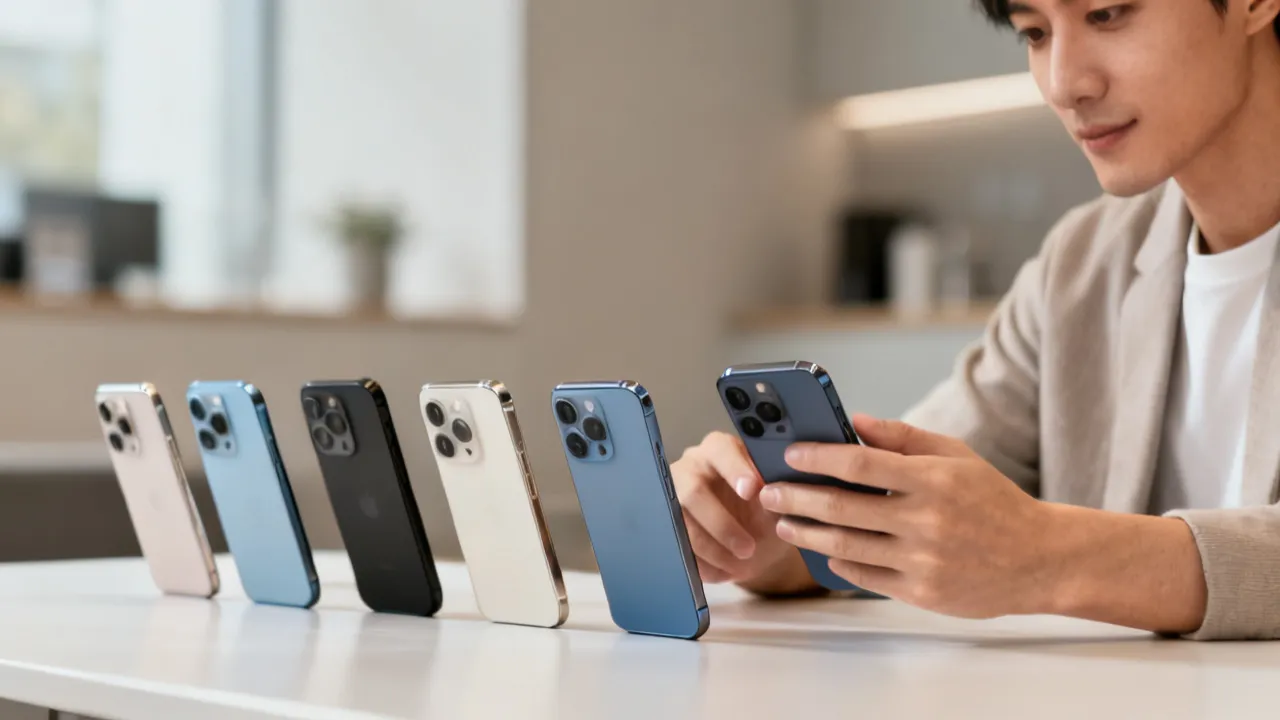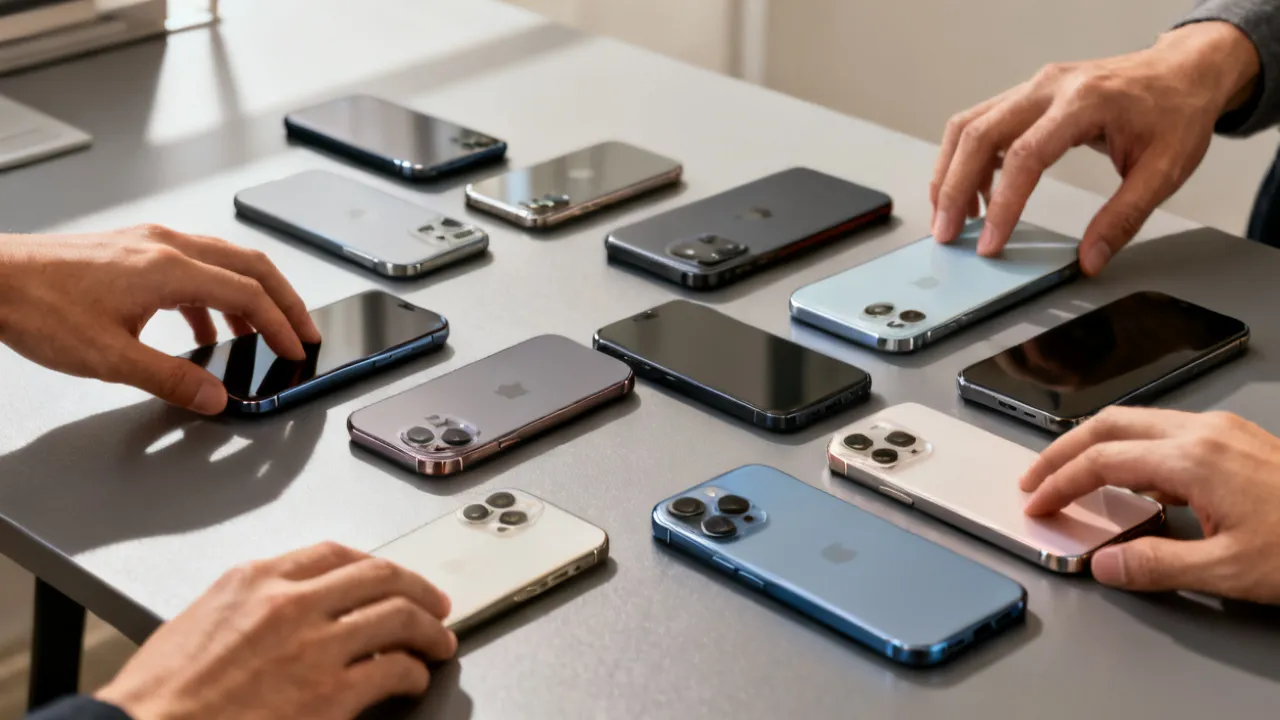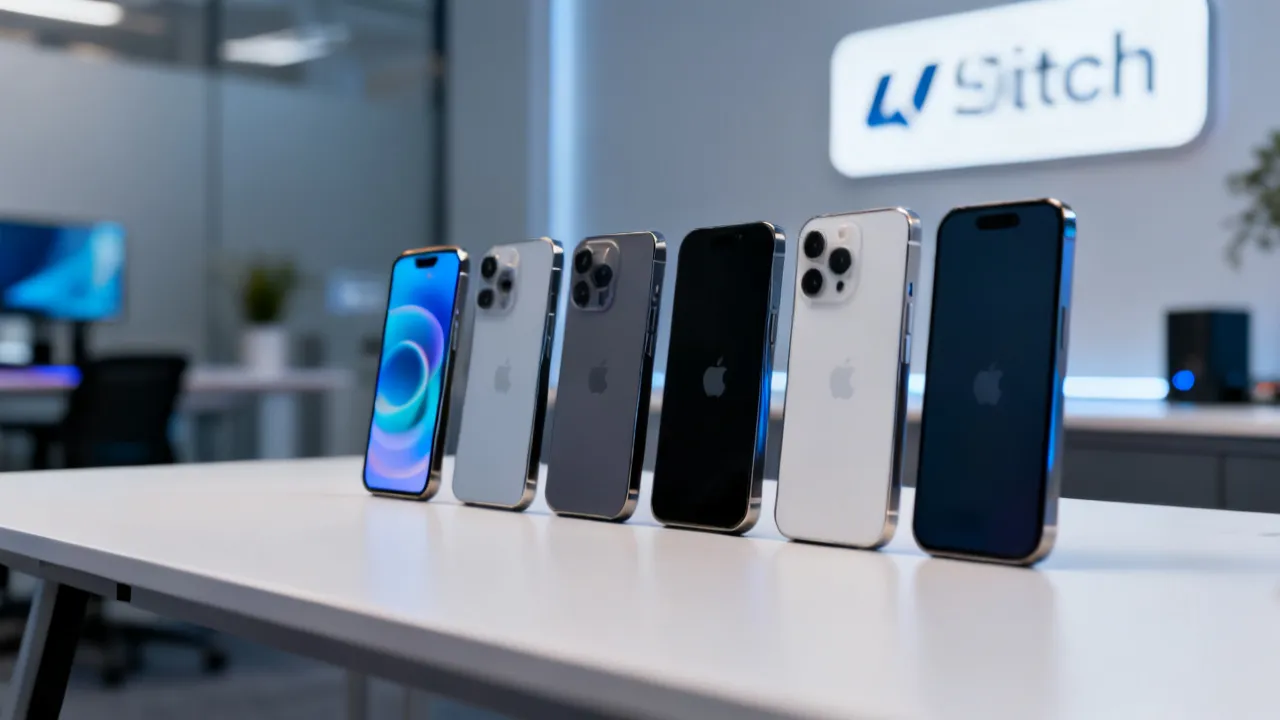
Latest Phones 2026 and Government Phone Plan Options
This guide explains how “Latest Phones 2026” trends connect with practical phone access programs, including major U.S. government-supported options. It objectively reviews why low-cost connectivity matters, how Lifeline/ACP eligibility works, and what provider policies typically cover—device choices, service limits, and potential upgrade fees. It also details application steps, requirements, and FAQs.
Key Takeaways for “Latest Phones 2026” Shoppers and Lifeline/ACP Applicants
If you’re tracking Latest Phones 2026, you’re likely comparing camera upgrades, battery efficiency, 5G performance, and software longevity. At the same time, if affordability is a priority, government phone plan programs (very notably Lifeline and ACP in the U.S.) can reduce monthly service costs and, in some cases, help cover a handset. Below, you’ll find a structured comparison of major participating providers—SafeLink Wireless, Assurance Wireless, StandUp Wireless, Access Wireless, and True Wireless—alongside clear eligibility conditions and application steps.
For an expert perspective: think of these programs less as “one-size-fits-all phone deals” and more as a regulatory-and-eligibility framework that determines what service tiers and device options you can access at onboarding. In other words, device availability, plan speeds, and upgrade pricing are often provider-dependent and may change over time.
Why “Latest Phones 2026” Matters—Even When You Use a Government Plan
Phone procurement choices in 2026 aren’t only about aesthetics. Industry buyers—consumers and enterprises alike—tend to weigh:
- Network compatibility (e.g., 4G/5G bands used by local carriers)
- Battery longevity and charging efficiency
- Update policy (security patch timelines and OS upgrade cadence)
- Usability factors such as display brightness, speaker quality, and storage headroom
When you add government-supported service frameworks to the mix, the “top” outcome becomes a balance: you choose a handset that can reliably run your everyday apps (maps, messaging, banking, medical portals) while ensuring your plan’s service allowances meet your communication needs. That’s why it’s useful to examine providers’ typical service inclusions and the kinds of charges that may apply when you request premium device models or additional data.
Government Phone Programs: The Practical Bridge Between Affordability and Connectivity
In the U.S., two widely discussed initiatives help households manage communications expenses:
- Lifeline: generally supports eligible low-income consumers with discounted phone and/or internet service. Eligibility is tied to income and participation in qualifying assistance programs.
- ACP (Affordable Connectivity Program): historically expanded support for broadband affordability for eligible households. Availability and implementation depend on program status and rules that can evolve.
From a market-design standpoint, these programs are designed to reduce “digital access friction.” Instead of requiring you to subscribe to a full retail plan, the eligibility pathway can allow discounted service and sometimes a handset from participating providers.
However, “discounted service” should be interpreted correctly. Government-supported plans are not typically structured like unlimited premium consumer plans with instant flagship handset availability. Instead, they’re often designed to deliver a baseline level of voice/text and a reasonable data allotment, sometimes with limited high-speed buckets. That’s why shoppers who care about Latest Phones 2026 should focus on whether a given device can perform its core duties on the particular network profile and speed tiers that the government-supported provider supports.
Comparison Table: Provider Services, What’s Typically Included, and Potential Extra Costs
This table summarizes the providers referenced in the source material, focusing on service inclusions commonly offered under their government-supported framework, plus any typical areas where additional charges may arise. Exact plan details can differ by state, enrollment timing, and device availability.
| Provider (Official Program Site) | Typical Services Included in Government Phone Plans | Possible Additional Package Costs (Common Examples) |
|---|---|---|
| SafeLink Wireless | Unlimited text and calls; data allowances on eligible government-supported plans. Options often include a supported device or BYOD pathway. | Upgrades to premium devices and/or additional data boosts may require extra payment. |
| Assurance Wireless | Often provides an Android smartphone alongside unlimited talk/text and data allowances (exact amounts may vary). | Optional upgrades for higher high-speed data tiers and some services (e.g., certain calling add-ons) may add costs. |
| StandUp Wireless | Government-supported service offering commonly includes unlimited talk/text and data plans, with options for a handset or BYOD. | Premium phone upgrades and extra data can be fee-based. |
| Access Wireless | Unlimited voice and text plus limited high-speed data allowances under eligible program participation. | Data boosts and device upgrades may involve additional fees. |
| True Wireless | Government-supported phones and voice/data service options, contingent on qualification and current provider inventory. | Optional upgrades to better devices and/or additional data plans may add cost. |
source: www.safelinkwireless.com ; www.assurancewireless.com ; standupwireless.com ; www.accesswireless.com ; www.gotruewireless.com
Note: The table is intended to help you compare program structures quickly. For accurate device lists, service speed tiers, and any state-specific nuances, you must verify on each provider’s official enrollment page.
How to Get a Government-Supported Phone: Eligibility Conditions and Application Requirements
To obtain a handset or discounted service through government phone programs, you typically must satisfy eligibility requirements and complete an application with documentation. Providers use verification methods such as income proof or participation in qualifying public assistance programs.
In practice, the biggest cause of delays is not usually the phone itself—it’s missing documentation, mismatched personal data, or unclear proof-of-eligibility status. For anyone targeting Latest Phones 2026 (or even simply trying to avoid repeated application attempts), it’s smart to treat the eligibility process like a checklist-driven step-by-step project, not a casual online form.
Eligibility Criteria (Common Requirements Across Providers)
In the referenced source material, eligibility conditions are summarized around these themes:
- Income thresholds: Lifeline eligibility often aligns with income at or below 135% of the federal poverty guidelines; ACP-related eligibility is often tied to 200% of the federal poverty guidelines (where applicable).
- Participation in government assistance: Programs such as Medicaid, SNAP, SSI, and FPHA are commonly used as qualification pathways.
- Tribal land residence: Residing on Tribal lands can unlock additional benefits under these frameworks.
Even when you “know” you qualify, it’s helpful to understand what the verification step tends to look for. Providers often want proof that connects:
- You (identity verification)
- Your household eligibility basis (income paperwork or program participation)
- Your address and service area (sometimes relevant to plan availability)
If any of these pieces don’t line up (for example, an address mismatch between your documentation and application), delays can happen. For people applying while relocating—common for seasonal workers, students, or families moving between caretaking arrangements—double-checking address consistency can reduce the risk of rework.
Step-by-Step: Application Process (Typical Provider Workflow)
While each provider has its own interface, the core workflow is usually consistent. Here’s an objective, step-by-step guide based on the provider procedures described in the source material:
- Choose your provider (e.g., SafeLink Wireless, Assurance Wireless, StandUp Wireless, Access Wireless, or True Wireless) and confirm the program offerings in your state.
- Check your eligibility pathway:
- Income-based eligibility, or
- Enrollment in qualifying programs (e.g., Medicaid, SNAP, SSI, FPHA).
- Gather required documentation for verification (for example, program participation evidence or income documentation, depending on the provider’s criteria).
- Submit the online application via the provider’s website.
- Upload proof and complete identity verification if prompted. Some providers may use a national verification process (as referenced for Assurance Wireless).
- Wait for eligibility confirmation. If approved, you’ll typically receive instructions on how the service/device will be activated.
- Select device option (if offered):
- Some programs include a supported smartphone model selection process.
- Some allow a BYOD (bring-your-own-device) option, subject to compatibility requirements.
- Review plan inclusions and upgrade conditions before finalizing. If you want a more recent handset or additional data, confirm the fee structure.
To make the above steps easier to execute in real life, it helps to add three operational “sub-steps” you can do before you ever click submit:
- Prepare digital copies (clear images or PDFs) of eligibility documents and identity documents. Blurry files are a common reason for re-verification.
- Write down your key personal data exactly as it appears on documents (full legal name, DOB, and address formatting).
- Confirm timing. If you’re applying near the time you need service (e.g., start date of a job, school term, or a medical appointment schedule), apply early so you have time to resolve document issues.
Expert Checklist: Matching 2026 Phone Needs with Program Constraints
From an industry expert standpoint, many application-stage disappointments happen when consumers assume the experience mirrors retail. To avoid that, use this checklist:
- Confirm device model availability at the time you apply. Inventory can change, and “Latest Phones 2026” may not be the device line-up you receive.
- Verify plan allowances: understand voice/text inclusions and the size and type of data allowances (including any speed limits for high-speed data).
- Assess upgrade paths: if you need a higher-tier smartphone for work (e.g., video calls or navigation-heavy use), ask what “premium device upgrade” costs can look like.
- Check BYOD compatibility if you prefer keeping your current phone—some devices may require network compatibility checks.
- Plan for travel and coverage needs: government-supported plans can be highly dependent on the underlying wireless network in your region.
Because “Latest Phones 2026” often implies advanced camera hardware and more capable processors, it’s worth adding a layer to the checklist: verify whether your expected apps benefit from the upgrade you want. For example, a newer camera module might matter less than:
- consistent call quality (especially for seniors or people with hearing challenges)
- speaker clarity for voicemail and speakerphone use
- battery performance for all-day navigation and scheduling
- storage capacity for banking apps, photos, and documents
This reframing helps you avoid paying (or requesting fees) for specs that won’t affect your day-to-day outcomes as much as you expected.
How to Think About “Latest Phones 2026” Without Overpaying
By 2026, phone buyers are often willing to spend more for camera systems, AI-assisted features, faster chipsets, and longer software support—yet affordability remains decisive for many households. The very rational approach is not “choose between top specs and a government program,” but rather “align your budget with your realistic connectivity needs.”
For example:
- If your daily use centers on messaging, calling, and maps, a device that supports modern OS features and reliable network connectivity may be sufficient—while you lean on the program’s discounted service structure.
- If you need higher performance for mobile gaming, frequent video calls, or large media uploads, a stronger handset may matter more—so you should evaluate whether device upgrades are feasible within your budget.
There’s a deeper strategy behind “don’t overpay,” especially for people who may have limited disposable income. Instead of asking, “What’s the best phone?” consider asking:
- What is the lowest total cost of ownership? (purchase price, potential upgrade fees, and the likelihood you’ll need a replacement soon)
- What is the highest reliability requirement? (medical appointments, job verification codes, emergency contacts)
- What is the most time-sensitive app dependency? (telehealth portals, school platforms, two-factor authentication)
Under this model, the “best” phone is the one that prevents disruptions. A moderate device with better battery and update support can be more valuable than a top-spec phone if it’s more likely to be unavailable or more likely to incur added costs.
Device Longevity and Update Policy: Why Software Support Beats Spec Sheets
When shoppers compare Latest Phones 2026, it’s common to focus on processors, camera megapixels, display refresh rates, and storage sizes. Those matter. But for government plan applicants, software support can be the deciding factor between a phone that feels “good enough” for years versus one that becomes insecure or sluggish quickly.
In plain terms, modern smartphones are safety tools as much as communication tools. People use them for:
- banking and payment apps
- email authentication for work and benefits
- medical portals and prescription management
- two-factor authentication (2FA) for access to accounts
If the phone’s OS is not updated for long enough, security risk grows. If the phone falls behind on OS compatibility for important apps, the device can also become less usable. So if your provider offers multiple handset tiers, you should ask questions like:
- How long does this model receive security updates?
- Is it on an OS version that will remain compatible with major apps for several years?
- How much storage comes included by default?
- Can you install updates easily if you have limited Wi-Fi availability?
Even if you cannot choose the newest flagship, prioritizing update longevity can make the device feel more “2026-modern” than a weaker handset from earlier years.
Battery Efficiency and Charging Reality: The Hidden “Daily Cost”
Phone performance is not only about raw processing power. For many households, the most practical “spec” is battery behavior throughout the day. A phone with an efficient battery profile reduces the need for emergency charging, which can be critical if you:
- work long shifts
- care for children or older relatives
- depend on the phone for navigation or repeated calls
- have limited access to reliable chargers or outlets
When considering Latest Phones 2026 features, you should also consider whether the phone supports charging practices that fit your life:
- Does it support fast charging reliably?
- Is the charging port durable (or does it tend to be a point of failure)?
- Does the battery degrade quickly with typical usage (video calls, GPS, camera use)?
- Is there robust power management that helps the phone last when signal coverage is weak?
Signal weakness can drain batteries quickly because phones boost radio transmission power to maintain connection. In areas where coverage varies, battery efficiency can outperform camera or processor differences in day-to-day value. So when picking a handset tier under a government-supported plan, battery and radio efficiency can be more important than the marketing headline camera improvements.
Network Performance and Data Allotments: The Real Meaning of “5G” in 2026
In 2026, many listings and advertisements will highlight 5G. But for government phone plans, what matters is how 5G experience matches your plan’s data structure. Two households might both be “on 5G,” but one experiences faster real-world speeds because their plan grants adequate high-speed data buckets, while the other hits speed caps after a certain usage threshold.
When you evaluate a provider’s government-supported plan, focus on:
- High-speed data allotment size: how much is truly high-speed before any throttling
- Throttling behavior: does the plan slow down dramatically or gently?
- Streaming impact: can you stream video/music without severe buffering after high-speed data is used?
- Application impact: how does performance affect telehealth sessions, video calls, or navigation?
This connects back to Latest Phones 2026—a modern chipset won’t magically bypass plan throttling. A better phone can help with efficiency (better radio management and smoother app performance), but it still relies on your plan’s data allowances. Therefore, the best “pairing” is:
- a device that efficiently manages data usage and battery
- a plan that gives enough high-speed capacity for your most bandwidth-heavy tasks
BYOD (Bring Your Own Device) vs. Receiving a Program Handset
Many people assume BYOD is always the best option. Sometimes it is. But sometimes receiving a handset is safer because the provider can ensure compatibility and provisioning.
When you consider BYOD under these government-supported frameworks, check:
- Carrier compatibility: is your device unlocked and compatible with the provider’s network?
- SIM/eSIM provisioning: some devices may require specific setup steps.
- Software compatibility: does the phone support modern network authentication methods?
- Performance baseline: if your phone is old, you might have reduced update longevity and potentially unreliable battery.
On the other side, choosing a program handset can simplify the process. The benefits of a provider handset often include:
- less uncertainty during activation
- compatibility guarantees (at least within the provider’s supported model list)
- often a device intended to run common Android or smartphone features reliably
However, if your heart is set on Latest Phones 2026 features, BYOD might still be best for you—if your phone is unlocked and compatible—because it avoids provider inventory constraints. You just have to be careful: if BYOD is not supported for your exact model, you can lose time and may be forced into a fallback option.
Practical Use Cases for Families, Seniors, and Low-Income Households
Many households rely on mobile phones as a primary communication tool for healthcare appointments, school coordination, employment logistics, and emergency contact. In such scenarios, the value of a program-supported plan is often less about headline device specifications and more about ensuring consistent service access.
- Healthcare coordination: appointment reminders, pharmacy coordination, and telehealth access.
- School and caregiving: messaging teachers and receiving updates.
- Work and job searching: confirmations, two-factor authentication, and scheduling.
- Safety and emergencies: maintaining dependable voice connectivity and text-based contact.
It’s also worth addressing accessibility needs, which many shoppers overlook when focusing on “latest phone” marketing. For seniors, disability-friendly features can matter more than camera quality. When evaluating device tiers, consider:
- font size controls and display readability
- hearing aid compatibility (where supported)
- speaker volume and voice clarity
- ease of navigation for calls and messages
- low-vision support and accessibility shortcut features
For families with children, another real-world factor is parental expectations for reliability. The phone must be durable, and updates must not break essential apps. If a device is frequently replaced due to durability issues, the long-term cost rises. So, sometimes a “less glamorous” handset with better build quality is the wiser choice.
Provider-by-Provider Comparison: How to Interpret Each Option
Because the providers referenced—SafeLink Wireless, Assurance Wireless, StandUp Wireless, Access Wireless, and True Wireless—operate under government-supported frameworks, their high-level structure can look similar. But the differences show up in device selection, activation steps, and how upgrades or data boosts are handled.
Below are interpretive guides to help you ask better questions on each provider’s page. These are not guarantees of current inventory; they’re “what to look for” angles.
SafeLink Wireless (What to Look For)
When exploring SafeLink Wireless for Lifeline/ACP-like participation, pay attention to:
- Does your state and address area support the same plan lineup?
- Is a supported handset offered, and what are its basic specs (storage, OS version, battery size category)?
- Is there a BYOD option if you want to bring your own Latest Phones 2026 device?
- Do upgrades to more expensive phones require an upfront payment?
In general, SafeLink can be attractive if you want a straightforward path to eligibility and service setup, but you should still verify the specific handset list that is currently available at the moment you apply.
Assurance Wireless (What to Look For)
Assurance Wireless commonly focuses on Android smartphones for qualifying participants. When selecting Assurance Wireless offerings, focus on:
- Whether the plan includes unlimited talk/text and what data allowances look like
- Whether a handset selection process exists and how upgrade fees are structured
- How identity verification is handled (since some applicants may encounter extra steps)
- Whether your desired apps run smoothly on the provided Android version
If your main concern is usability (messaging reliability, app compatibility, and dependable daily performance), you may prefer the provider handset route. If your concern is maximum “2026-modern” hardware, you might still prefer BYOD—just verify compatibility carefully.
StandUp Wireless (What to Look For)
StandUp Wireless can be a good option if you’re trying to balance affordability with choice. Look for:
- Whether their eligible plans provide enough high-speed data for your usage
- Whether there are premium phone upgrade paths and if fees are clearly stated
- Whether BYOD is available and what model compatibility checks look like
In general, the most important StandUp question is: “How much of my typical day requires high-speed data?” If your usage is mainly chat, calls, and lightweight browsing, you may be fine. If your needs include frequent video calls or heavy streaming, confirm whether the plan’s throttling behavior will affect your most important tasks.
Access Wireless (What to Look For)
Access Wireless can be particularly relevant if you want unlimited voice and text alongside a data plan. When reviewing their information, consider:
- What portion of data is high-speed
- Whether data boosts are available and how frequently they can be purchased
- Whether the included handset (if any) has sufficient storage for your needs
If you anticipate months where you’ll need more data (job searching, school terms, or travel), understanding how data boosts work can prevent frustration. It’s often better to know the cost of a boost upfront rather than discovering it after your high-speed bucket is exhausted.
True Wireless (What to Look For)
True Wireless provides government-supported phone and voice/data options contingent on qualification and current inventory. When exploring True Wireless, check:
- Current device models offered under the program
- Whether upgrade options exist and what they cost
- Whether BYOD is supported if you’re already using a compatible phone
- Which coverage network underlies the plan in your area (if stated)
Inventory changes are real. So if you’re chasing Latest Phones 2026, you may find that a specific premium device you saw in older marketing materials is not available at your application time. In that case, ask what alternatives are available right now that meet your must-have features (battery, update longevity, camera quality, and storage).
Understanding Potential Extra Costs: Upgrades, Data Boosts, and Add-Ons
One of the most common surprises for new applicants is not the basic discounted service—it’s the optional add-ons. Even if you qualify, you may still encounter scenarios where additional fees apply. Common categories include:
- Premium device upgrades: moving from a base model to a higher-end model can involve extra charges
- Additional high-speed data: plans may have limited high-speed data, and top-ups can be fee-based
- Optional services: certain add-ons (varies by provider) may increase monthly totals
- Activation or shipping-related costs: sometimes a provider may describe logistics steps that affect onboarding time (and occasionally costs, depending on the offer)
A practical strategy to avoid surprises is to locate these costs early in the enrollment flow. Many providers display optional upgrade pricing before you finalize. If the total cost isn’t clear, pause and ask. If a phone upgrade is critical to your daily needs, make sure the upgrade is worth the cost by linking it to a specific outcome—like improved battery life, easier accessibility, or better app compatibility.
How to Confirm Plan Speeds and Data Experience Before Committing
When you see phrases like “high-speed data,” “throttled,” or “unlimited,” it can be confusing. The most useful approach is to identify how your typical activities translate into data usage and speed sensitivity.
Consider writing down your top three data-heavy tasks. Examples:
- video calls for work or telehealth
- streaming music or video
- map navigation and rideshare usage
- downloading updates and app patches
- uploading photos, documents, or forms
Then compare those needs against what the provider plan offers:
- How much high-speed data do you receive?
- After you hit the limit, do you still get “usable” data for messaging and navigation?
- How severe is any throttling and does it affect streaming or video calls?
In many cases, throttled speeds can still support basic tasks (text messaging, email, and some browsing). But telehealth and video calls can become frustrating if throttling is too aggressive. This is where matching a Latest Phones 2026 device with an appropriate plan matters. The device can optimize for efficiency, but it can’t guarantee performance if the plan’s data experience is constrained.
Application Documentation: What Typically Causes Delays and How to Prevent Them
Eligibility documentation can be a bottleneck. Even when you qualify, processing can stall. Common causes include:
- Blurry or incomplete uploads: documents are hard to read, missing pages, or partially cut off
- Mismatch between application and documents: name spelling, address formatting, or DOB inconsistency
- Expired documentation: some documents have time limits and become outdated
- Household confusion: some rules vary by how household eligibility is calculated
- Multiple submissions: repeatedly applying with different details can slow down verification
To prevent issues, do the following:
- Use a strong scanner app or high-resolution photo capture.
- Ensure all four corners of the document are visible.
- Double-check address formatting (unit numbers, ZIP codes, and street suffixes).
- Confirm you have the correct program participation documents or income records.
For people applying in a hurry—perhaps because a current phone broke—this documentation guidance can be the difference between getting connected quickly and waiting through repeated review cycles.
Planning Your 2026 Phone Decision: A Two-Track Approach
A smarter decision process is to split your planning into two tracks that run in parallel:
- Track A: Eligibility and service plan viability (can you enroll, what plan tier is available, what data allowances apply)
- Track B: Device suitability (does the offered device meet your must-have needs, especially battery, storage, update longevity, and accessibility)
Many buyers try to choose the phone first. That can work if you’re paying retail. But if you’re using a government-supported framework, device availability and upgrades often depend on program inventory and provider rules. So the safer method is:
- Start by confirming the plan tier and allowances offered for your eligibility status.
- Then pick a handset that best matches your real-world requirements within the allowed device options.
If your priority is truly “Latest Phones 2026,” you may need to accept that your program may not provide a specific flagship device model. Instead, you can aim for “new enough” while ensuring your plan supports your communication needs.
Common Questions Applicants Ask (And How to Think About Them)
1) Do government phone programs provide the newest 2026 phone models?
They may provide supported handset models, but device availability depends on the provider’s current inventory and program rules. If you’re specifically searching for “Latest Phones 2026,” plan upgrades may not always align with the newest retail releases. It’s top to check what models are offered at the time of application and ask about any upgrade fees.
To make this question more actionable, you can translate it into what you really need. Instead of asking for “the newest,” ask for:
- “Which phone models are currently offered that support the latest security updates?”
- “Which option has the best battery and storage?”
- “What is the highest tier device I can get without paying extra (if that’s relevant)?”
2) What’s usually included in these government-supported phone plans?
Across the referenced providers, typical inclusions include unlimited talk and text and data allowances that may vary by plan. Some providers also offer limited high-speed data with potential options for additional data boosts.
In practice, “included” doesn’t always mean “unlimited at full speed.” The phrase “unlimited” can mean unlimited at some speed tier. That’s why you should confirm:
- how much data is high-speed
- how speed changes after high-speed usage is consumed
- whether the throttled speed is still sufficient for your essential tasks
3) What additional charges could apply?
Common potential charges include premium device upgrades, extra data packages, and optional add-ons (such as higher high-speed tiers or certain services). Confirm the total cost before completing your enrollment.
Also consider non-obvious charges. For instance, if you need to buy a compatible charger, screen protector, or accessories for a new phone, those can add up. Government plan enrollment may cover the handset, but it may not cover accessories. Budgeting small accessories can prevent the “hidden costs” that show up after activation.
4) How do I apply for a government-supported phone?
Generally, you apply online through your chosen provider, then submit documentation that verifies eligibility—either through income thresholds or participation in qualifying assistance programs. Some providers may use standardized verification pathways.
When you apply, don’t just aim for approval. Aim for an approval that you can complete quickly. That means verifying that your information is accurate and that your documentation is complete so the provider doesn’t request rework.
5) What documents do I need?
Typical documentation depends on whether you qualify by income or program enrollment. The safest approach is to review each provider’s required document list on their official application pages.
If you’re preparing ahead of time, you can create a “document kit” containing:
- proof of identity
- proof of address
- proof of income or program participation
Even if the provider’s application page lists specific documents, having a kit reduces time wasted when you realize one item is missing.
6) Can I use my own phone (BYOD) instead of getting a handset?
Some providers offer BYOD options, but the device must be compatible with the network and plan requirements. During application, you should confirm whether your specific phone model is supported.
If you’re using a phone you consider “Latest Phones 2026,” BYOD can be a way to preserve your investment—if compatibility checks succeed. But if BYOD fails, you may have to fall back to a provider handset. Therefore, when possible, identify a second-choice device option within the provider’s offered list so you’re not stuck delaying service.
7) Are eligibility requirements the same for all providers?
While the overarching eligibility logic is similar, each provider can have operational differences and state-specific handling. The requirements described in the source material include income-based thresholds and participation in programs such as Medicaid, SNAP, SSI, and FPHA, plus additional considerations for Tribal lands.
Operational differences can include the verification method, the timing of approvals, and how the device upgrade process is managed. So even when eligibility seems straightforward, treat each provider’s application workflow as its own distinct process.
8) Does my state matter?
Yes. While program eligibility criteria are broadly defined, plan details, network availability, and sometimes device offerings can vary by state. Verify locally on the provider’s official site.
This matters for Latest Phones 2026 shoppers because inventory may vary by geography. A device tier offered in one state may not be offered in another. So the best approach is to check provider pages for your specific location during the application period.
Conclusion: A Smarter 2026 Strategy—Pair Device Planning with Verified Eligibility
Choosing among “Latest Phones 2026” options and government-supported phone plans doesn’t have to be a contradiction. The strongest strategy is to confirm two things in parallel: (1) whether your preferred device needs—battery, performance, and software support—are feasible through the program and (2) whether your eligibility status and application documentation meet the provider’s requirements.
If you approach the process systematically—review inclusions, anticipate upgrade costs, confirm BYOD compatibility, and complete verification accurately—you can reduce the risk of mismatched expectations and ensure your phone plan supports your day-to-day connectivity goals.
Disclaimer
1) The above information comes from online resources, and the data is as of October 2023.
2) This website cannot guarantee that applicants will definitely get a government affordable phone. For specific application requirements and how to obtain it, please refer to the official requirements of the provider. This website will not be updated in real time.
Reference Links